
Exploring the psychological triggers behind gambling addiction
Exploring the psychological triggers behind gambling addiction
The Nature of Gambling Addiction
Gambling addiction, often referred to as compulsive gambling, is a complex psychological disorder that can have devastating effects on individuals and their families. This addiction is characterized by an uncontrollable urge to gamble despite the negative consequences that may follow. The thrill of the game and the potential for big wins can create a powerful allure, drawing people into a cycle of behavior that is difficult to escape. For those seeking alternatives, websites offering new casinos online real money have become increasingly popular as they provide easy access to gambling opportunities.
Understanding the nature of this addiction involves recognizing the interplay between psychological factors and the gambling environment. Various mental health issues, such as anxiety, depression, and stress, can exacerbate the condition, leading individuals to seek solace in gambling as a temporary escape from their problems.
Psychological triggers play a significant role in the development and maintenance of gambling addiction. One major trigger is the excitement of risk-taking. The adrenaline rush that accompanies placing a bet can create a euphoric feeling, reinforcing the behavior and making individuals more likely to gamble again. This sensation is often compared to that experienced by individuals using certain substances, where the brain’s reward system becomes activated. Moreover, it is crucial to consider the legal aspects surrounding gambling practices, as they can influence how individuals engage with this addiction.
Another psychological trigger is the illusion of control. Many gamblers believe they can influence the outcome of a game through skill or strategy, leading them to gamble more frequently. This false belief can create a cycle of reinforcement, where individuals continue to place bets in hopes of mastering the game and winning back losses, despite the reality that most gambling outcomes are purely random.
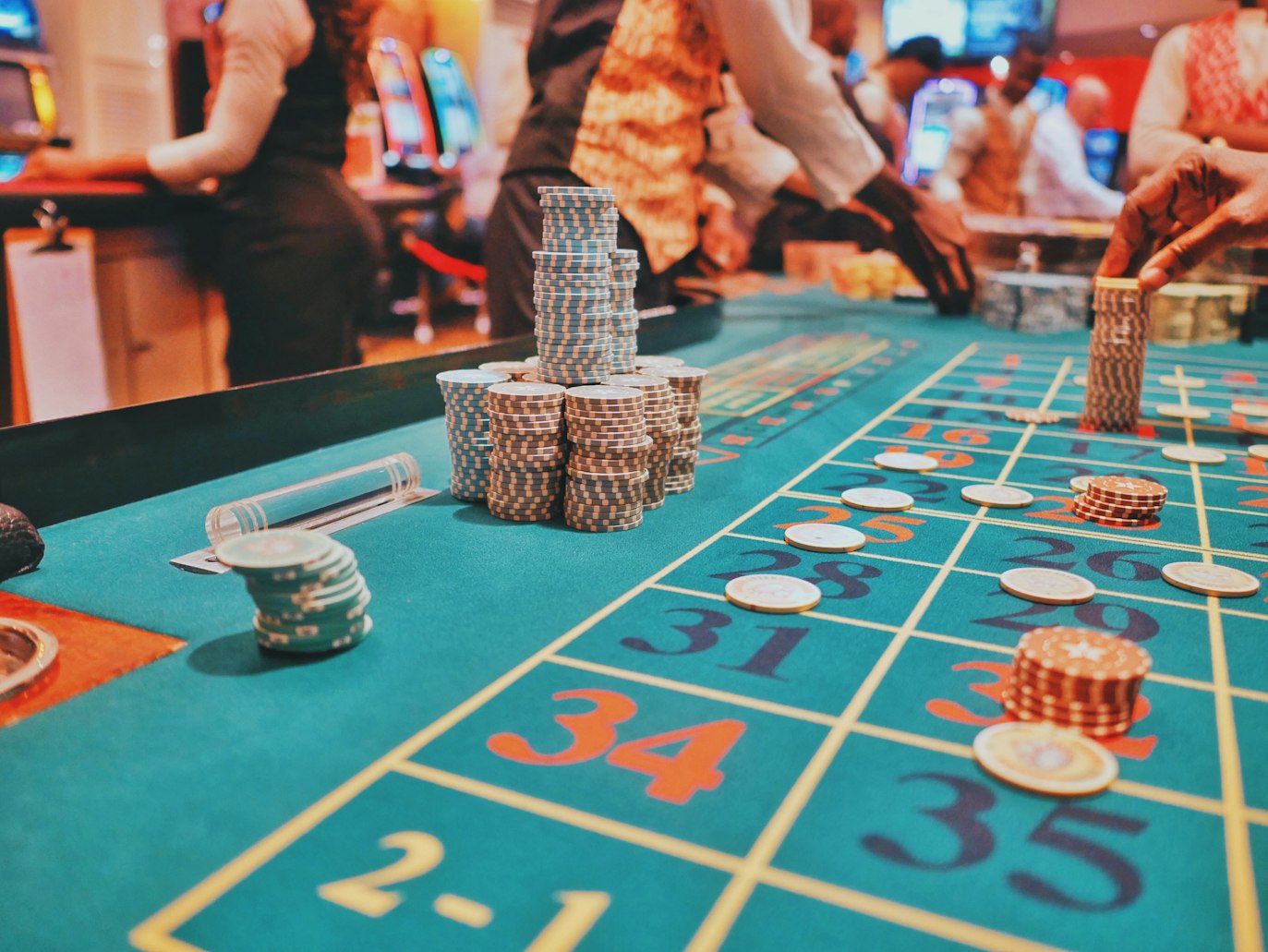
The environment in which an individual gambles significantly contributes to their likelihood of developing an addiction. Casinos and online gambling platforms are designed to entice players with bright lights, engaging sounds, and the promise of immediate rewards. These settings can trigger compulsive behavior by creating a stimulating atmosphere that encourages prolonged gambling sessions.
Social factors also play a crucial role. Peer influence can heighten the desire to gamble, especially in social settings where betting is normalized. Individuals may feel pressured to participate in gambling activities to fit in or gain social acceptance, further entrenching their gambling habits and leading to addictive behaviors.
The impact of gambling addiction on mental health is profound. Many individuals suffering from this disorder experience heightened levels of anxiety, depression, and feelings of shame or guilt. The financial strain caused by gambling can exacerbate these feelings, leading to a downward spiral that affects both personal relationships and overall well-being.
Treatment for gambling addiction often requires a multifaceted approach, including therapy and support groups. Cognitive-behavioral therapy (CBT) has been shown to be particularly effective in addressing the underlying psychological issues that contribute to gambling addiction, helping individuals develop healthier coping strategies and reduce their reliance on gambling as a form of escape.

At our website, we aim to provide valuable information and resources for individuals affected by gambling addiction. Our goal is to raise awareness about the psychological triggers associated with this disorder and to offer support for those seeking help. Through educational content, we strive to empower individuals and families to understand the complexities of gambling addiction and to find effective treatment options.
We believe that by fostering an informed community, we can contribute to the prevention and recovery of gambling addiction. Whether you are struggling with gambling yourself or supporting someone who is, our resources are designed to guide you towards healthier choices and a brighter future.
«`


